Pentagon
Loading...
In 2001, the Pentagon housed approximately 20,000 civilian and military employees and contractors. Located across the Potomac River from the capital of the United States, the five-sided fortress-like complex occupies 29 acres and serves as headquarters of the U.S. Department of Defense.
At 9:37 a.m. on September 11, five hijackers crashed American Airlines Flight 77 into the first and second floors of Pentagon’s western façade, penetrating three of its five rings. One hundred and eighty-four people were killed: 53 passengers and six crew members on board the aircraft and 125 military and civilian personnel on the ground.
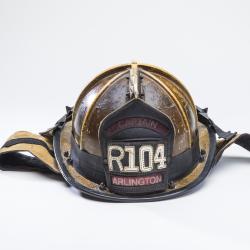
Within minutes, emergency response agencies from the National Capital Region responded. The Arlington County Fire Department assumed command of the scene and directed fire suppression and rescue operations. Units trained and equipped to fight jet-fuel fires came from nearby Ronald Reagan Washington National Airport. The Pentagon’s Defense Protective Service aided the building’s evacuation and worked with the FBI to secure the crime scene.
News of a deliberate plane crash into the Pentagon interrupted national news coverage of the intensifying disaster in New York City and heightened anxiety about additional airborne attacks. Less than an hour after Flight 77’s explosive strike, around 10:15 a.m., the portion of the Pentagon where the plane entered collapsed.
A swift and efficient recovery at the Pentagon, a symbol of America’s military strength, was deemed vital to national security. After a seven-days-a-week demolition operation—which began on October 18, 2001, and centered on the Pentagon’s damaged western wedge—workers commenced reconstruction of the building on November 19. Working around the clock for weeks and months, the crew met its ambitious goal of rebuilding 400,000 square feet of office space by September 11, 2002.
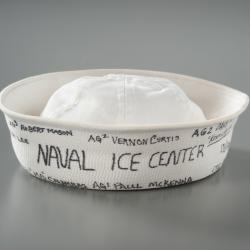
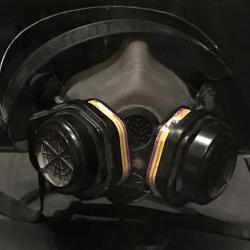
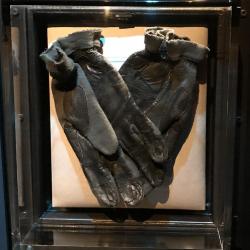
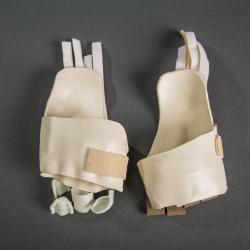
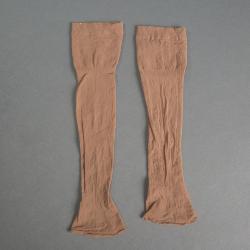
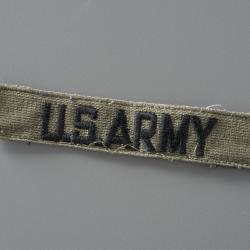
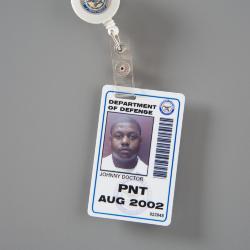
This gallery highlights objects and stories in the Museum’s collection that have been donated by Pentagon survivors and first responders.
At 9:37 a.m. on September 11, five hijackers crashed American Airlines Flight 77 into the first and second floors of Pentagon’s western façade, penetrating three of its five rings. One hundred and eighty-four people were killed: 53 passengers and six crew members on board the aircraft and 125 military and civilian personnel on the ground.
Within minutes, emergency response agencies from the National Capital Region responded. The Arlington County Fire Department assumed command of the scene and directed fire suppression and rescue operations. Units trained and equipped to fight jet-fuel fires came from nearby Ronald Reagan Washington National Airport. The Pentagon’s Defense Protective Service aided the building’s evacuation and worked with the FBI to secure the crime scene.
News of a deliberate plane crash into the Pentagon interrupted national news coverage of the intensifying disaster in New York City and heightened anxiety about additional airborne attacks. Less than an hour after Flight 77’s explosive strike, around 10:15 a.m., the portion of the Pentagon where the plane entered collapsed.
A swift and efficient recovery at the Pentagon, a symbol of America’s military strength, was deemed vital to national security. After a seven-days-a-week demolition operation—which began on October 18, 2001, and centered on the Pentagon’s damaged western wedge—workers commenced reconstruction of the building on November 19. Working around the clock for weeks and months, the crew met its ambitious goal of rebuilding 400,000 square feet of office space by September 11, 2002.
This gallery highlights objects and stories in the Museum’s collection that have been donated by Pentagon survivors and first responders.